Three questions
What can cut or hit the hand, what is on the surface, and how wet or hot is the environment. Those three answers eliminate most of the catalogue.
Guide · glove taxonomy
A working taxonomy: what each glove family is for, what it is not for, and how to narrow the choice in three questions.
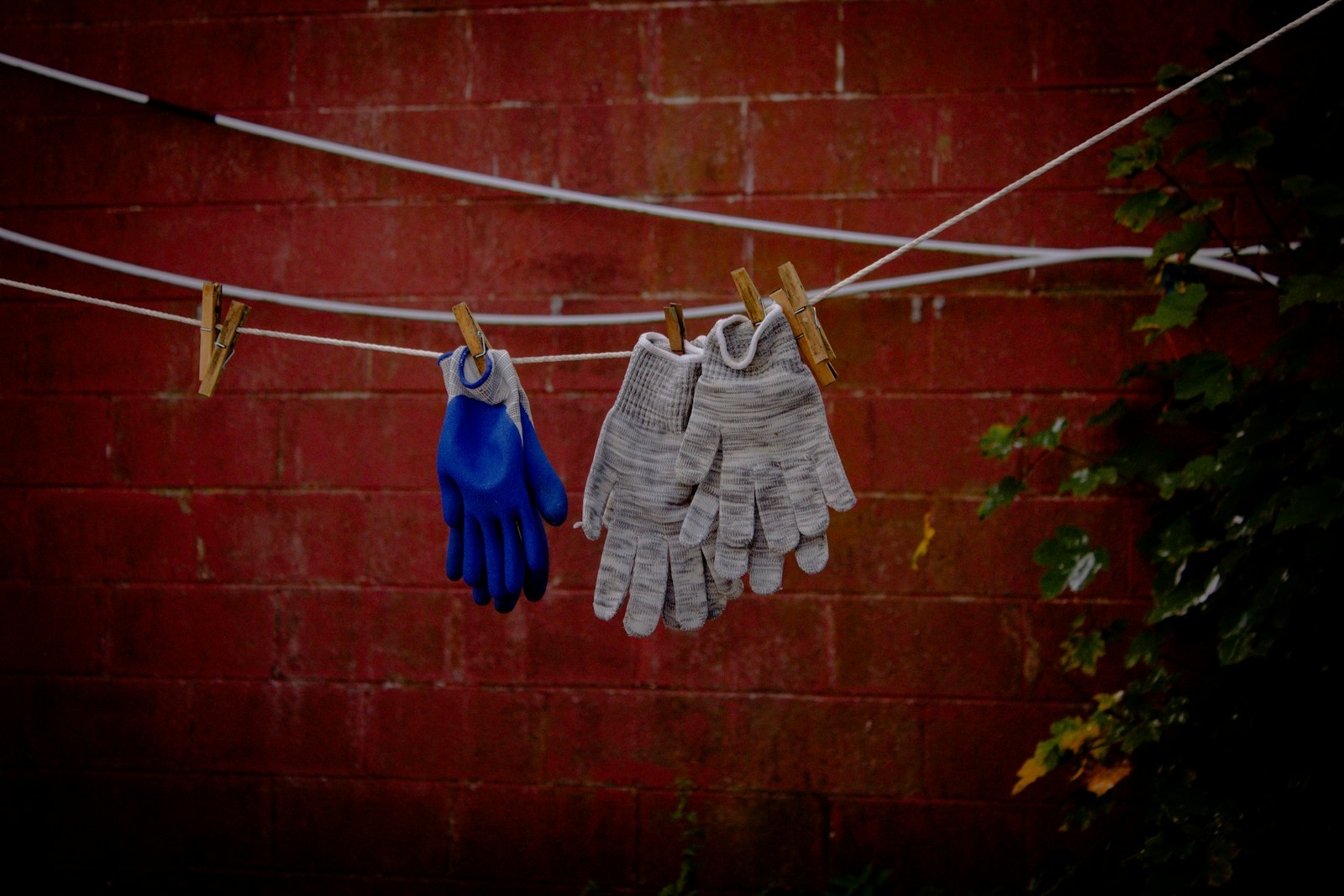
Types of work gloves are usually organized by material, which is not how work is organized. A buyer scanning "nitrile, PU, latex, PVC" has to translate chemistry into a task before the page makes sense. This guide inverts that: start from the hazard and the environment, then land on the family.
There are eight families worth knowing for general industry. Everything else is a variation on liner, coating, cuff and level. Once you can place a task in one of the eight, the remaining choices are about fit, rating and packaging.
Reviewed · Specs confirmed on the approved sample
What can cut or hit the hand, what is on the surface, and how wet or hot is the environment. Those three answers eliminate most of the catalogue.
Each family is defined by construction — liner plus coating plus cuff — not by a brand name. That makes comparisons between suppliers possible.
Every family has a job it cannot do: coated knit is not chemical protection, leather is not cut-rated by default, disposable nitrile is not a work glove.
Reference
Use this as a working reference. Levels are confirmed per style on the sample you approve.
The eight families are a starting point, not a catalogue. Most orders are a variation on one family’s liner, coating, cuff and rating.
| Type | Built from | Best for | Not for |
|---|---|---|---|
| Coated knit | Knit liner + PU/nitrile/PVC palm | Handling, assembly, general work | Heat, chemical permeation |
| Cut resistant | HPPE / glass / steel liner | Sharp edges, sheet metal | Needle sticks |
| Puncture resistant | Dense liner + reinforced palm | Wire, glass, scrap | Needle-proof claims |
| Impact resistant | TPR shell over knit or leather | Struck hand, construction | Heat or chemical |
| Leather | Cowhide, goatskin, pigskin | Abrasion, sparks, rigging | Wet grip, cut rating by default |
| Insulated | Fleece/acrylic lining + coated palm | Cold work, cold storage | Hot work |
| Waterproof | Full nitrile/PVC shell | Wet handling, washdown | Chemical protection |
| Disposable | Nitrile or vinyl film | Food, cleaning, light barrier | Reusable handling work |
Questions buyers ask
If your question is about a specific style, send the spec and we will answer with the sample plan instead of a generic reply.
The palm-coated knit glove, usually PU or nitrile. It covers the widest range of handling tasks at a cost that allows frequent replacement.
Leather resists abrasion well but is not rated for cut unless it is combined with a cut-resistant liner. Do not assume leather means cut protection.
When the priority is a clean barrier for a short task — food handling, light cleaning, small parts — rather than abrasion or impact protection. Disposable film tears quickly under real work loads.
Most sites need three to five: a light handling glove, a cut glove, a wet or oil glove, a cold glove and a heavy-duty leather. More than that usually means the wrong gloves are being issued. Start with the glove people actually keep on, then add the specialists around it.
Next step
Share the glove type, liner and coating, quantities and destination. We reply with the sample plan, unit price at your quantity and the packaging options for your market.