Fingertip dexterity
Fine-gauge liners and form-fitting fingertips let technicians feel a thread engage — the main reason gloves get removed on service calls.
Industry · service & install
Fingertip feel for fittings and wiring, with just enough cut protection for sheet-metal duct edges.
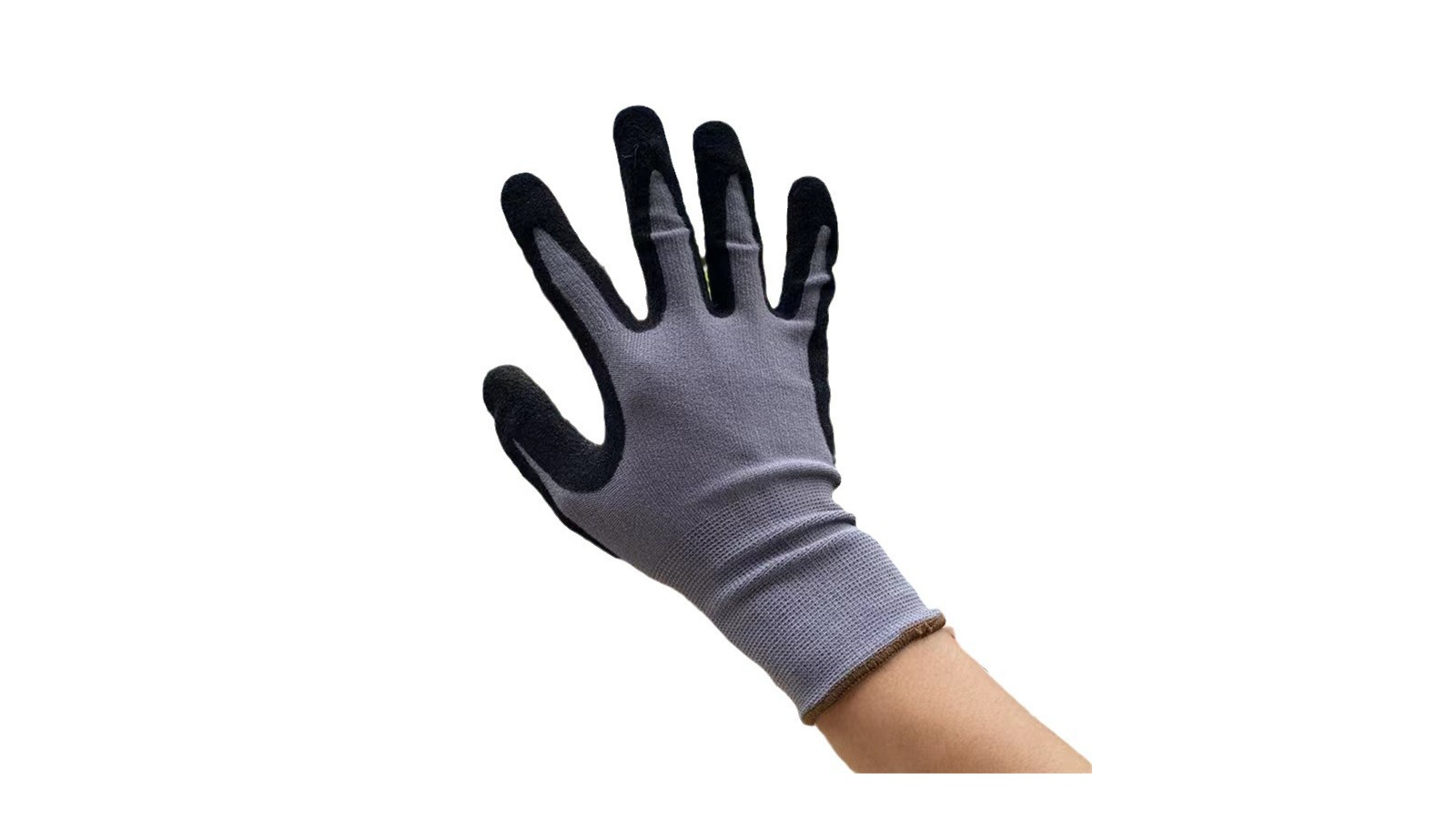
HVAC and plumbing gloves have to handle a sequence of small, precise tasks: threading a fitting, stripping a wire, seating a connector, tightening a valve in a tight space. Bulky gloves slow all of it down, so technicians work bare-handed and get cut on duct edges instead.
The right glove is thin at the fingertips and reinforced where sheet metal bites. A 15G or 18G liner with a PU or nitrile palm and A2–A3 cut protection covers most service work; a nitrile palm handles wet fittings without losing grip.
HVAC, plumbing and electrical work share one problem: the glove has to be thin enough to start a screw and tough enough to survive sheet metal, pipe threads and insulation. A 15G or 18G nitrile palm glove with a short knit wrist is the usual answer, because it leaves the wrist free for a watch, a phone and a tool belt while covering the palm where the cuts happen. On copper and aluminium sheet, a cut level at the fingertips is worth the small loss in feel. For live electrical work, remember that a general glove is not insulating protection.
Reviewed · Specs confirmed on the approved sample
Fine-gauge liners and form-fitting fingertips let technicians feel a thread engage — the main reason gloves get removed on service calls.
A2–A3 HPPE at the fingertips and palm handles sheet-metal duct edges without adding bulk across the whole hand.
A nitrile palm holds wet pipe and fittings far better than leather, which hardens and slips when soaked.
Reference
Ratings depend on liner, gauge and coating. Final values are confirmed on the approved sample.
Match the fingertip to the task: 18G for screws and duct edges, 15G nitrile for wet fittings, and no metal studs near a live panel.
| Task | Glove | Cut | Note |
|---|---|---|---|
| Duct work | 18G HPPE, PU palm | A2–A3 | Thin fingertips for screws |
| Pipe fitting | 15G nylon, nitrile palm | A1–A2 | Wet grip |
| Electrical panel | 15G nylon, PU palm | A1 | No metal studs |
| Refrigerant lines | Nitrile palm, fleece back | A1 | Cold lines plus grip |
| Roof unit service | A3, touchscreen fingertips | A3 | Outdoor, phone use |
Questions buyers ask
If your question is about a specific style, send the spec and we will answer with the sample plan instead of a generic reply.
No. They are work gloves, not insulating gloves. Electrical protection requires a dedicated insulating glove rated for the voltage, with the correct class and testing regime.
A2–A3 covers sheet-metal duct edges and most service handling. Thicker gloves reduce feel, so avoid jumping to A4 unless the task demands it.
Yes with conductive fingertips. Service apps and diagnostics are a common reason technicians remove gloves, so this option usually pays for itself.
Standard builds are not insulated. For cold rooftop service, specify a fleece-backed version with a nitrile palm. For wet roofs, keep the nitrile palm and skip the thicker liner, which only holds water against the skin.
Next step
Share the glove type, liner and coating, quantities and destination. We reply with the sample plan, unit price at your quantity and the packaging options for your market.