Abrasion life
PVC takes rough surfaces that destroy thinner coatings. It is the practical choice for concrete, brick, stone and heavy wet handling.
Rough finish · heavy abrasion
Heavy, rough-finish PVC for wet and abrasive work where a thinner coating would be shredded in a shift.
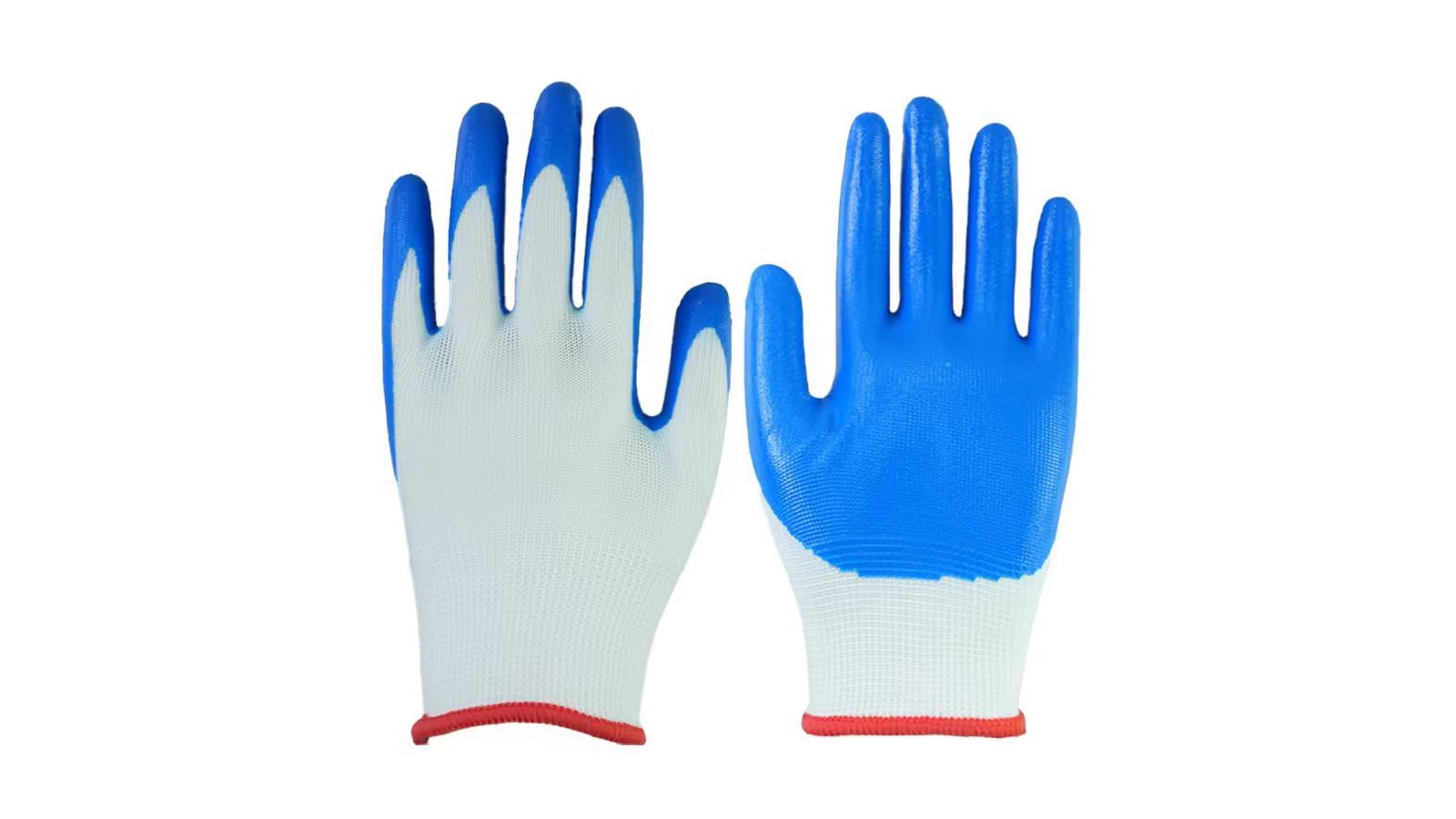
PVC coated work gloves use the heaviest of the common coatings. They are chosen for rough, wet and abrasive work — concrete, masonry, agriculture, washdown — where a PU or nitrile palm would wear through quickly. The rough finish also gives a strong grip on wet and muddy surfaces.
The cost is dexterity and breathability. PVC gloves are stiffer and warmer, so they suit tasks where protection and abrasion life matter more than feel. We build palm, three-quarter and full coatings on interlock or fleece liners.
Compare PVC against nitrile on the surface you are actually working, not on a data sheet. On wet concrete, mortar and stone, the thick rough PVC film outlasts everything else in the range and keeps its grip as it wears. On oily metal it swells and loses shape; on anything needing fingertip control it is simply too stiff. A common pattern is PVC for the demolition and masonry phase of a job and a nitrile palm glove for the finishing work, bought on the same order so the crew is not choosing between them.
Reviewed · Specs confirmed on the approved sample
PVC takes rough surfaces that destroy thinner coatings. It is the practical choice for concrete, brick, stone and heavy wet handling.
The textured palm holds wet, muddy and oily surfaces. Smooth PVC is slippery when wet and is rarely the right finish for outdoor work.
A fleece-lined PVC glove handles cold wet work where a bare liner would leave hands numb by mid-shift.
Reference
Ratings depend on liner, gauge and coating. Final values are confirmed on the approved sample.
Palm dip keeps the back breathable, three-quarter dip covers more of the hand, and full dip is the wet-work build. Interlock liners are cooler; fleece liners are warmer.
| Build | Dexterity | Abrasion | Typical use |
|---|---|---|---|
| Palm, rough finish | Medium | High | Masonry, concrete, bricks |
| 3/4, rough finish | Medium | High | Wet outdoor handling |
| Full, rough finish | Low | Very high | Washdown, agriculture, heavy wet |
| Full, fleece lined | Low | Very high | Cold wet work, cold storage |
Questions buyers ask
If your question is about a specific style, send the spec and we will answer with the sample plan instead of a generic reply.
PVC for rough, abrasive and muddy surfaces where abrasion life dominates. Nitrile for oil and where more flexibility is needed. Both need a full coating if the hand is immersed.
PVC resists oils reasonably well but swells with some solvents. For continuous oil contact, sandy nitrile is usually the better choice.
PVC is a heavier coating and needs a thicker film to perform. That stiffness is the price of abrasion life; for precision work choose PU or nitrile instead.
They are not accepted in normal recycling streams. Plan them as a consumable and dispose of them through your normal industrial waste route. Do not burn worn PVC on site: the smoke is corrosive and the residue has to be handled as hazardous waste.
Next step
Share the glove type, liner and coating, quantities and destination. We reply with the sample plan, unit price at your quantity and the packaging options for your market.